From Egg to Honeybee
Every honeybee starts as an egg, but three different paths emerge. Understanding how workers, drones, and queens develop helps you inspect hives better and recognize what's happening inside those cells.
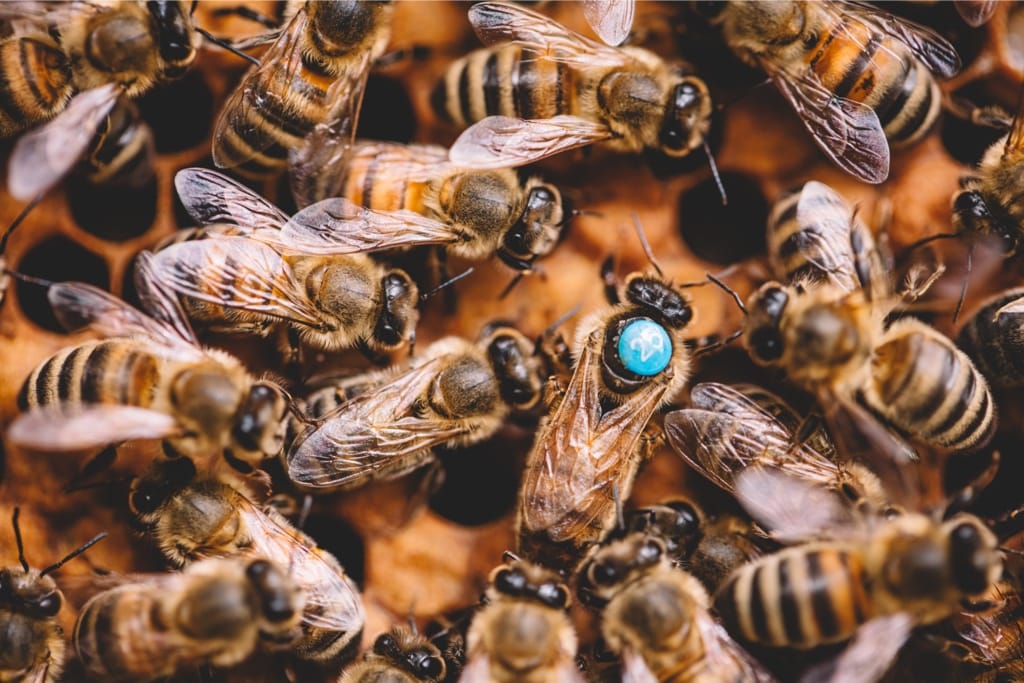
Every honeybee in your hive began the same way: as a tiny egg in a wax cell. But from that shared starting point, three very different paths emerge. Understanding how worker bees, drones, and queens develop isn't just fascinating biology; it's practical knowledge that shapes how you inspect hives, time interventions, and recognize what's happening inside those cells.
Let's walk through the journey from egg to adult bee, starting with what all honeybees share before exploring how each caste develops on its own timeline.
The Shared Beginning
All honeybees start as eggs laid by the queen. These rice-grain-sized white eggs stand upright in the bottom of their cells for the first day or two, then gradually tip over as they age. By day three, they hatch into tiny larvae.
For the first few days of larval life, all honeybee larvae receive the same treatment: they're fed royal jelly, a protein-rich secretion from nurse bees. This is where the magic of honeybee development really begins, because what happens next, what the larvae are fed, and how long they're fed, determines everything.
During the larval stage, these tiny grubs do nothing but eat and grow. They're fed thousands of times a day, molting through five larval instars as they outgrow their skin again and again. Worker bees cap the cells when the larvae are ready to pupate, sealing them in with a wax covering.
Inside those capped cells, the transformation from larva to adult happens out of sight. The pupa gradually develops the features of an adult bee: legs, wings, eyes, and all the structures that make a honeybee recognizable. When development is complete, the new adult chews through the cell capping and emerges into the hive.
That's the framework all honeybees follow. Now let's look at how each caste takes its own path through this cycle.
The Worker Bee: 21 Days from Egg to Forager
Worker bees are the backbone of the colony, and their development reflects their future role. The queen lays worker eggs in standard-sized cells, and the timeline unfolds like this:
Days 1-3: The egg stands upright, then tips and hatches into a larva.
Days 4-9: The larva is initially fed royal jelly, but after about three days, the diet switches to a mixture of pollen and honey called "worker jelly" or "brood food." This dietary shift is what prevents the larva from developing into a queen. The larva grows rapidly, coiled at the bottom of its cell.
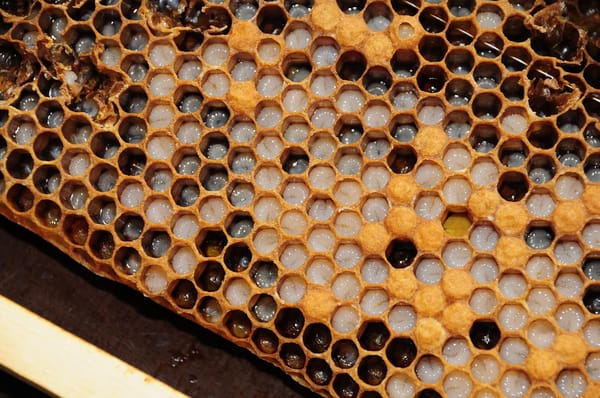
Day 9: Worker bees cap the cell with a slightly convex wax covering.
Days 10-20: Inside the capped cell, the larva spins a cocoon and pupates. The transformation from larva to adult bee takes place entirely hidden from view.
Day 21: The new worker bee chews through the capping and emerges. She's pale and fuzzy at first, but within hours, she'll begin her first tasks inside the hive.
Worker cells are typically capped with a slightly raised, porous covering that allows for gas exchange. When you're inspecting frames, this is what most of your capped brood will look like.
The Drone: 24 Days and a Different Purpose
Drones develop in larger cells. You'll recognize them by their distinctive bullet-shaped cappings that protrude noticeably from the comb. The queen lays unfertilized eggs in these drone cells, and the development timeline is slightly longer:
Days 1-3: Like workers, drone eggs stand upright before tipping and hatching.
Days 4-10: Drone larvae are fed generously, even more food than worker larvae receive. They grow larger to accommodate their future size as adult drones. The diet is similar to worker jelly, but the quantity and duration of feeding differ.
Day 10: The cell is capped with that characteristic domed, convex capping.
Days 11-23: The drone larva pupates inside its larger cell, developing into the stocky, big-eyed bee that will eventually leave the hive to mate.
Day 24: The drone emerges. He's noticeably larger than a worker, with massive eyes that meet at the top of his head.
Drones take three days longer to develop than workers. This timing matters during swarm season or when you're trying to manage Varroa mites. Drone brood is often targeted for mite control because of the longer development period and the mites' preference for drone cells.
The Queen: 16 Days to Royalty
Queen development is the most dramatic departure from the standard cycle. When a colony needs a new queen, whether through swarming, supersedure, or emergency, worker bees select very young larvae (typically less than three days old) and transform their fate entirely through diet and cell structure.
Days 1-3: The egg is laid in a standard worker cell or, if the colony is preparing to swarm, in a specially constructed queen cup.
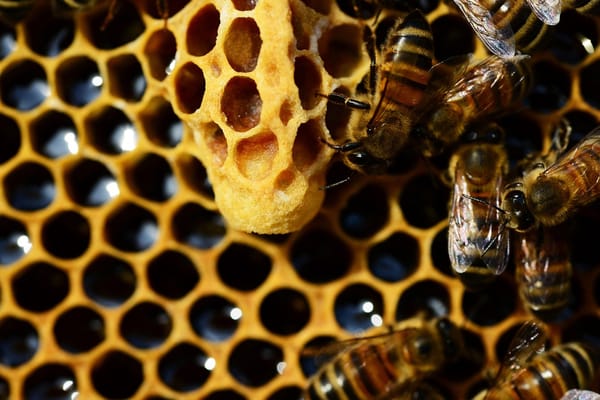
Days 4-8: This is where queen development diverges completely. The selected larva is fed royal jelly exclusively and continuously. She's literally swimming in it. The workers also modify or build a vertical, peanut-shaped queen cell that hangs from the comb.
Day 8: The queen cell is capped. Queen cells have a distinctive textured surface that looks like peanut shells.
Days 9-15: The larva pupates into a queen. Her development is faster than that of either workers or drones, despite the more complex physiology she's developing, which includes fully functional ovaries, a larger body, and different glands.
Day 16: The virgin queen emerges. She's longer and more slender than a worker, and if there are other queen cells present, she may immediately seek them out to destroy potential rivals.
Queens develop the fastest of all three castes. That five-day difference between a queen and a worker bee is entirely due to the royal jelly diet. It represents one of the most remarkable examples of nutrition-driven development in nature.
Why This Matters for Beekeepers
Understanding these timelines isn't just academic. It's practical knowledge you'll use constantly:
- Timing inspections: Knowing when brood will be capped or emerging helps you plan when to check for issues.
- Recognizing problems: If you see capped brood that should have emerged based on your last inspection, something may be wrong.
- Queen rearing: If you're raising queens, these timelines tell you exactly when to check for accepted cells or when to expect virgins to emerge.
- Swarm management: Understanding when queen cells will be capped and when virgins will emerge is crucial for timing splits or preventing swarms.
- Mite management: Drone brood's longer development period makes it a target for integrated pest management strategies.
The next time you're peering into a frame of brood, you're not just looking at capped cells. You're looking at a precise biological clock. Each stage of development is happening on schedule, driven by the queen's genetics, the workers' feeding decisions, and the environmental conditions in your hive.
That's the beauty of the honeybee lifecycle: it's both wonderfully complex and reliably predictable, giving you the knowledge you need to be a better beekeeper.