History and Impact of The Varroa Mite
The Varroa mite transformed beekeeping forever. From its origins in Asia to its devastating global spread, learn how this tiny parasite became honey bees' greatest threat and what beekeepers can do to fight back.
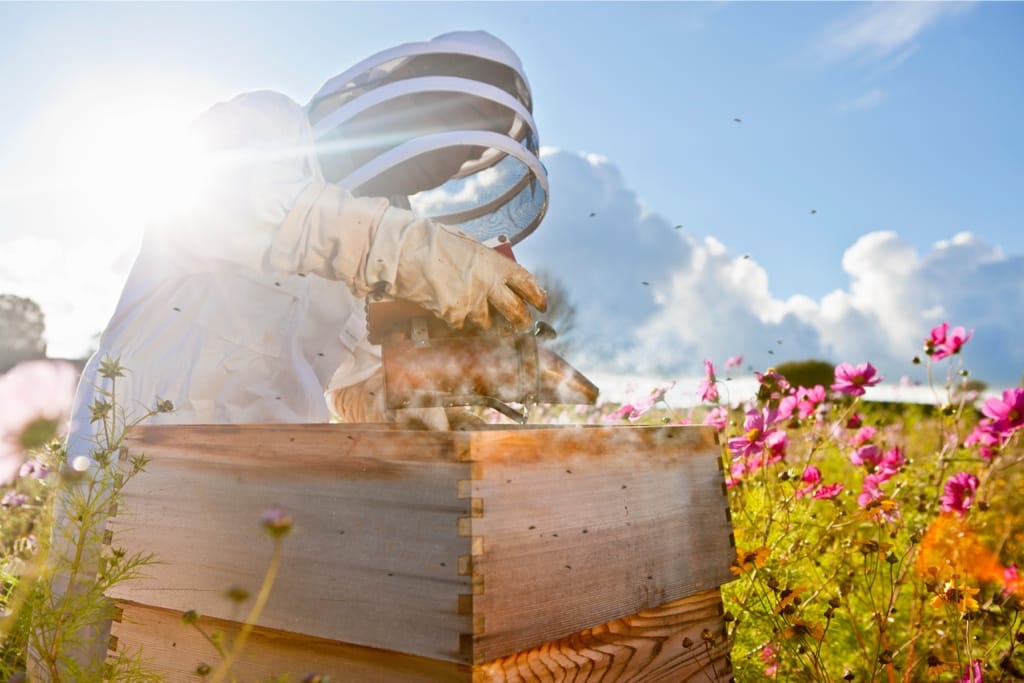
If you've kept bees for any length of time, you know the name well. Varroa destructor, the Varroa mite, has become the single most significant threat to managed honey bee colonies worldwide. But this wasn't always the case. Understanding where this parasite came from and how it became so destructive helps us fight back more effectively.
Origins: A Parasite Out of Place
The Varroa mite didn't start as a honey bee problem. For millennia, these tiny reddish-brown parasites lived in harmony with the Asian honey bee, Apis cerana, in Southeast Asia. The relationship was balanced. The mites reproduced in drone brood, and the bees had evolved behavioral defenses to keep populations in check.
Everything changed when Varroa destructor made the jump to the Western honey bee, Apis mellifera. Unlike their Asian cousins, European honey bees had no evolutionary history with this parasite. They lacked the grooming behaviors and hygienic responses that kept Varroa populations manageable. What had been a minor inconvenience for Apis cerana became a death sentence for Apis mellifera.
The Global Spread
The Varroa mite was first identified in Java, Indonesia, in 1904, but it remained relatively contained for decades. The real trouble began in the 1960s and 1970s when international trade in bees and the movement of colonies inadvertently spread the parasite around the globe.
By the 1970s, Varroa had reached Eastern Europe and Japan. The 1980s saw its arrival in South America and in the United States in 1987. Within a decade, the mite had colonized nearly every beekeeping region on Earth. Only a handful of isolated locations (Australia held out until 2022, and some remote islands) remained Varroa-free.
The speed of this invasion caught the beekeeping world off guard. Within years of arrival in new territories, untreated colonies would often collapse, sometimes losing entire apiaries in a single season.
How Varroa Destroys Colonies
The damage Varroa mites inflict goes far beyond simple parasitism. Adult female mites enter brood cells just before capping, feeding on developing bee pupae and laying their own eggs. When the young bee emerges, it carries multiple mites, weakened, deformed, and immunocompromised.
The mites pierce the bee's cuticle to feed on fat body tissue, which isn't just an energy reserve but a crucial part of the bee's immune system. This feeding weakens individual bees, shortening their lifespan and reducing their ability to forage, nurse brood, and defend the hive.
But the devastation doesn't stop there. Varroa mites are vectors for numerous viruses, most notably Deformed Wing Virus (DWV). An untreated colony can see virus levels skyrocket as mite populations explode in late summer and fall. By winter, when colonies need strong, healthy bees to survive the cold months, they're left with a population of short-lived, virus-laden individuals. The colony dwindles and often dies before spring.
The Economic and Ecological Impact
The arrival of Varroa fundamentally changed beekeeping. Before the mite, many beekeepers could manage colonies with minimal intervention. Varroa ended that era. Today, every beekeeper must have a mite management strategy, or they will lose their bees, usually within one to three years of infestation.
The economic costs are staggering. In the United States alone, the costs associated with Varroa (treatments, lost colonies, reduced honey production) run into hundreds of millions of dollars annually. Beekeepers must now invest significant time and money in monitoring mite levels and applying treatments, fundamentally changing the economics of keeping bees.
The ecological impact extends beyond managed hives. Feral honey bee populations were decimated in most regions after Varroa's arrival. In North America, wild colonies that once thrived in tree cavities largely disappeared, though some populations have shown signs of developing resistance. The loss of these feral populations removed a crucial genetic reservoir and pollination resource from ecosystems.
Fighting Back: Integrated Pest Management
The beekeeping community's response to Varroa has evolved significantly. Early efforts relied heavily on synthetic miticides like Apistan (fluvalinate) and CheckMite+ (coumaphos). These worked initially, but mites quickly developed resistance. The cycle of new chemicals, temporary success, and eventual resistance became frustratingly familiar.
Today, best practices center on Integrated Pest Management (IPM), using multiple strategies to keep mite populations below damaging thresholds rather than attempting complete eradication. This approach includes:
Regular Monitoring: You can't manage what you don't measure. Alcohol washes, sugar rolls, or sticky board counts help beekeepers track mite levels and intervene before populations explode.
Cultural Controls: Management practices like drone brood removal, creating brood breaks through splitting, and requeening with mite-resistant stock help reduce mite reproduction.
Chemical Treatments: Organic acids (formic acid, oxalic acid) and essential oils (thymol-based products) provide treatment options with lower resistance risks. Synthetic treatments still have their place, but should be rotated to prevent resistance.
Genetic Selection: Some bees exhibit Varroa-resistant traits, Varroa-Sensitive Hygiene (VSH), where workers detect and remove infested pupae, being among the most promising. Breeding programs focused on these traits offer hope for more sustainable long-term solutions.
The Path Forward
Nearly 40 years after Varroa's arrival in North America, we still don't have an easy answer. The mite remains the primary reason beekeepers lose colonies. Yet there's reason for optimism.
Breeding programs are producing bees with improved mite resistance. Our understanding of mite biology and behavior continues to deepen, leading to more targeted interventions. Some feral populations have survived and adapted, providing genetic material for more resilient stock. New monitoring technologies and treatment methods continue to emerge.
The relationship between beekeepers and Varroa has become one of constant vigilance and adaptive management. We've learned that ignoring the problem isn't an option, that silver bullets don't exist, and that successful beekeeping in the age of Varroa requires knowledge, attention, and persistence.
For those of us who love keeping bees, Varroa is an unwelcome reality, but not an insurmountable one. By staying informed, monitoring carefully, and managing proactively, we can keep our colonies healthy and thriving despite this persistent threat.
For those of us who love keeping bees, Varroa is an unwelcome reality, but not an insurmountable one.
The bees that drew me to this craft as a child are more complex and challenging to keep than ever before. But they're also more precious, and the craft of keeping them alive more meaningful. That's the world Varroa made, and it's the world we navigate together.