How Does Oxalic Acid Kill Varroa Mites? The Science Behind the Treatment
Oxalic acid kills varroa mites through cellular disruption and osmotic stress, but why do bees survive? Understanding the mechanism helps you make better decisions about concentration, timing, and application method, turning treatment into success.

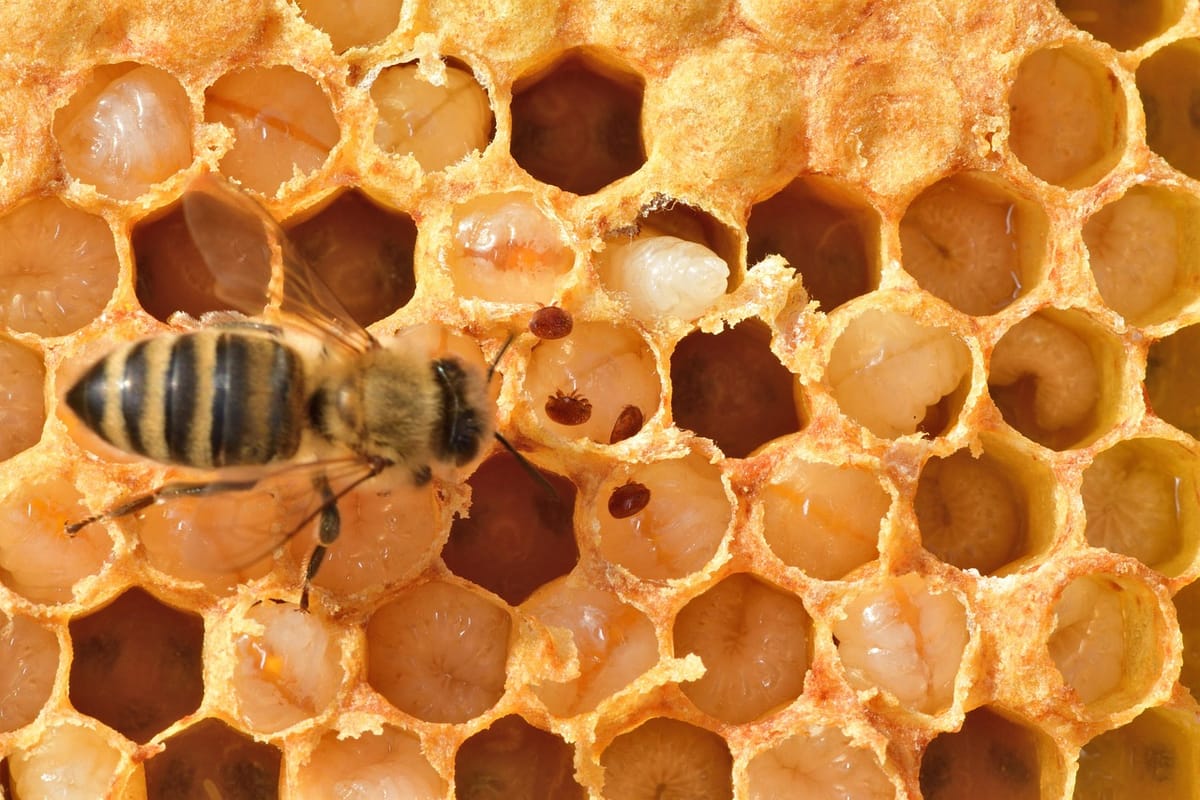
Oxalic acid has become one of the most popular varroa mite treatments among beekeepers, and for good reason. It's organic, relatively affordable, and highly effective when used correctly. But if you've ever wondered exactly how oxalic acid kills varroa mites while leaving your bees relatively unharmed, you're asking the right question.
Understanding the mechanism behind oxalic acid treatment isn't just academic curiosity. It directly impacts how you apply it, when you choose to use it, and why some application methods work better than others.
The Mechanism: How Oxalic Acid Actually Works
Oxalic acid kills varroa mites through direct contact toxicity, but the process is more nuanced than simply "burning" or "dissolving" them, as you might hear in casual beekeeping discussions.
When oxalic acid comes into contact with varroa mites, it penetrates their exoskeleton and disrupts multiple physiological processes simultaneously. Let's take a look at the primary mechanisms.
Cellular Respiration Disruption
Oxalic acid interferes with the mite's cellular respiration by binding to essential metal ions, particularly calcium and magnesium, that the mite's cells need for normal metabolic function. Research by Gregorc and Planinc (2001) demonstrated that oxalic acid causes severe damage to varroa mite midgut cells, effectively starving the mite at the cellular level, even if it appears physically intact.
Osmotic Stress
The acid creates osmotic imbalances across the mite's cell membranes. When oxalic acid solution contacts the mite, it draws water out of the mite's cells through osmosis, leading to cellular dehydration and eventual death. This is why concentration matters so much. Too dilute and the osmotic effect is minimal; too concentrated and you risk harming bees.
Nervous System Interference
While less studied than the metabolic effects, oxalic acid also appears to disrupt neural function in varroa mites. It affects the mite's ability to maintain its grip on bees, and it interferes with basic motor functions.
Why Bees Survive What Kills Mites
The obvious question: if oxalic acid is toxic to varroa mites through these mechanisms, why don't bees suffer the same fate? The answer lies in several key physiological differences between honey bees and varroa mites.
Size and Surface Area
Varroa mites have a much higher surface-area-to-volume ratio than bees. This means that when exposed to the same concentration of oxalic acid, mites receive a proportionally much higher dose relative to their body mass. What's a lethal concentration for a tiny mite becomes a sub-lethal dose for a bee that's hundreds of times larger.
Exoskeleton Differences
Bee cuticle is thicker and more heavily sclerotized (hardened) than varroa cuticle. This provides better protection against acid penetration. The mite's softer exoskeleton, particularly around the joints and on the ventral surface where it contacts the bee, facilitates easier penetration by oxalic acid solution.
Metabolic Tolerance
Bees have more robust detoxification systems and can better tolerate the metabolic stress caused by oxalic acid. Their Malpighian tubules (the insect equivalent of kidneys) can process and excrete oxalic acid more efficiently than mites can. Studies by Charrière and Imdorf (2002) showed that while bees do experience some stress from oxalic acid exposure, they recover quickly when the treatment is applied correctly.
Behavioral Avoidance
When you apply oxalic acid via trickle or vaporization, bees actively groom it off themselves and each other. Varroa mites, lodged between the bee's abdominal segments or under the wings, can't escape the treatment and receive sustained exposure.
Why Application Method Matters
Understanding the mechanism explains why different application methods work (or don't) in various situations.
Trickle Method
When you trickle oxalic acid solution directly onto bees clustered in the hive, you're creating direct contact between the acid and both the bees and the mites on them. The solution flows down through the cluster, reaching mites hiding between abdominal segments. The bees then spread it further through grooming behavior, inadvertently exposing more mites. This method works best when bees are tightly clustered (winter) because the solution can reach more of the colony.
Vaporization Method
Vaporizing oxalic acid creates fine crystals that settle on all surfaces in the hive, including on bees and mites. The mites accumulate these crystals on their bodies over time, and when the hive's humidity dissolves the crystals, the acid activates. This method has the advantage of reaching bees and mites throughout the hive, not just at the treatment point.
Why It Doesn't Kill Mites Under Cappings
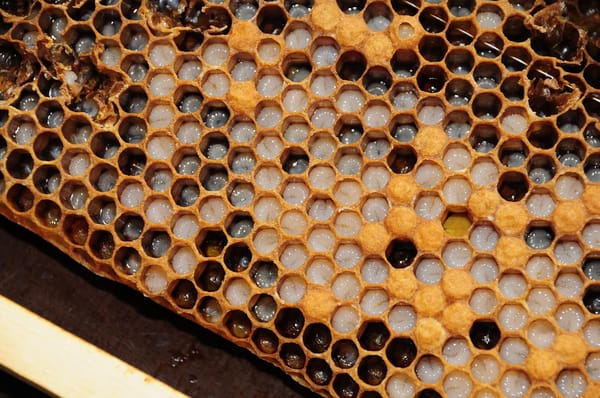
Here's the critical limitation: oxalic acid requires direct contact to work. Varroa mites reproducing inside capped brood cells are protected from the treatment. This is why oxalic acid is most effective when there's little to no brood in the hive, during winter in most climates, or after creating a broodless period through caging or splitting.
Oxalic acid requires direct contact to work.
Temperature and Timing: Why They're Not Optional
The mechanism of oxalic acid also explains why temperature and timing are crucial for effective treatment.
Temperature Affects Multiple Factors
When it's too cold (below about 40°F/4°C), bees cluster tightly and don't move much. While this concentrates them for trickle application, it also means they're less likely to groom and spread the treatment. More critically, metabolic processes slow down in both bees and mites, potentially reducing both the toxic effect on mites and the bees' ability to recover from exposure.
When it's too warm and brood is present, you're treating a population in which a significant percentage of mites are protected under cappings, reducing the overall effectiveness of your treatment. Research by Rademacher and Harz (2006) found that oxalic acid treatments during broodless periods achieved 90-99% mite mortality, compared to only 50-60% when brood was present.
The Broodless Window
This is why experienced beekeepers often talk about the "broodless window" for oxalic acid treatment. It's not just tradition. It's based on the biological reality that the treatment can't reach mites in capped cells. In many temperate climates, this window occurs naturally in late December or early January. In warmer regions, beekeepers sometimes create an artificial broodless period by temporarily caging the queen.
Concentration Matters More Than You Think
The typical oxalic acid treatment uses a 3.2% solution (weight/volume) for trickle application or pure oxalic acid dihydrate crystals for vaporization. These concentrations weren't chosen arbitrarily. They represent a careful balance between mite mortality and bee safety.
Too Weak
Lower concentrations may not create sufficient osmotic stress or cellular disruption to kill mites effectively. You'll see reduced efficacy, meaning more mites survive to reproduce, and you've stressed your bees for minimal benefit.
Too Strong
Higher concentrations increase bee mortality and can cause lasting damage to their midgut cells, similar to what happens to mites. Charrière et al. (2003) demonstrated that concentrations above 4.2% significantly increased bee mortality without proportionally improving mite kill rates.
The standard 3.2% concentration represents years of research finding the sweet spot where mite mortality is maximized while bee mortality remains minimal.
Practical Implications for Your Treatment Strategy
Understanding how oxalic acid works should inform several practical decisions in your apiary.
Time Your Treatment Right
Don't waste oxalic acid during high brood periods just because it's convenient. Wait for the broodless window, or create one, to maximize efficacy. Keep detailed records of when your colonies naturally reduce brood production. This pattern repeats annually, helping you plan treatments in advance.
Don't Guess on Concentration
Measure carefully when mixing solutions. "Close enough" isn't good enough when you're balancing mite kill against bee safety. A kitchen scale that measures to 0.1 gram precision is worth the investment.
Consider Your Application Method Based on Hive Conditions
In deep winter with tightly clustered bees, trickle can be very effective because bees are concentrated. In slightly warmer conditions where bees are more spread out in the hive, vaporization might reach more of them. Both methods work, but understanding the mechanism helps you choose the right one for current conditions.
Track Your Treatments and Results
Here's where systematic record-keeping becomes essential. When you understand that oxalic acid works through direct contact and requires specific conditions, you realize how important it is to track: treatment dates, method used, temperature at application, brood status, pre-treatment mite counts, and post-treatment mite counts.
This data tells you whether your timing and method are actually working in your specific apiaries. What works in coastal California might need adjustment in Minnesota, and you won't know unless you're tracking results systematically.
The Bigger Picture: IPM and Treatment Rotation
Oxalic acid is an excellent tool, but understanding its mechanism also reveals its limitations. Because it requires direct contact and can't reach mites in brood, it's most effective as part of an integrated pest management (IPM) approach rather than your only treatment.
Varroa mites can't develop resistance to the physical and metabolic mechanisms by which oxalic acid works, unlike synthetic miticides, where mites can evolve resistance to specific chemical pathways. This makes oxalic acid particularly valuable for treatment rotation strategies.
What the Research Shows
Multiple studies have validated both the mechanism and effectiveness of oxalic acid:
- Gregorc and Planinc (2001) documented the cellular damage oxalic acid causes to varroa midgut cells
- Charrière and Imdorf (2002) established safe concentration ranges and application protocols
- Rademacher and Harz (2006) quantified the importance of broodless periods for treatment efficacy
- Hatjina and Haristos (2005) compared different application methods and their effectiveness
The science is clear: oxalic acid works, we understand how it works, and we know how to use it effectively.
The Bottom Line
Oxalic acid kills varroa mites by disrupting their cellular metabolism, creating osmotic stress, and interfering with nervous system function, all through direct contact. Bees survive because they're larger, have better protective barriers, and can metabolize and excrete the acid more effectively.
This mechanism explains why concentration, timing, temperature, and application method aren't just recommendations. They're critical factors that determine whether your treatment succeeds or fails.
The more you understand about how your treatments actually work, the better equipped you are to make informed decisions about when and how to use them. And the better your records of treatments and results, the more you learn about what works specifically in your apiaries, with your bees, in your climate.
That's not just good science. That's good beekeeping.
References:
- Charrière, J.D., and Imdorf, A. (2002). Oxalic acid treatment by trickling against Varroa destructor: recommendations for use in central Europe and under temperate climate conditions. Bee World, 83(2), 51-60.
- Charrière, J.D., Imdorf, A., Bachofen, B., and Tschan, A. (2003). The removal of capped drone brood: an effective means of reducing the infestation of varroa in honey bee colonies. Bee World, 84(3), 117-124.
- Gregorc, A., and Planinc, I. (2001). Acaricidal effect of oxalic acid in honeybee (Apis mellifera) colonies. Apidologie, 32(4), 333-340.
- Hatjina, F., and Haristos, L. (2005). Indirect effects of oxalic acid administered by trickling method on honey bee brood. Journal of Apicultural Research, 44(4), 172-174.
- Rademacher, E., and Harz, M. (2006). Oxalic acid for the control of varroosis in honey bee colonies – a review. Apidologie, 37(1), 98-120.