How Temperature Affects Development Rates
Temperature controls honeybee development speed more than most beekeepers realize. Understanding how heat and cold affect your brood timeline helps you inspect smarter and interpret what you're seeing in the hive.
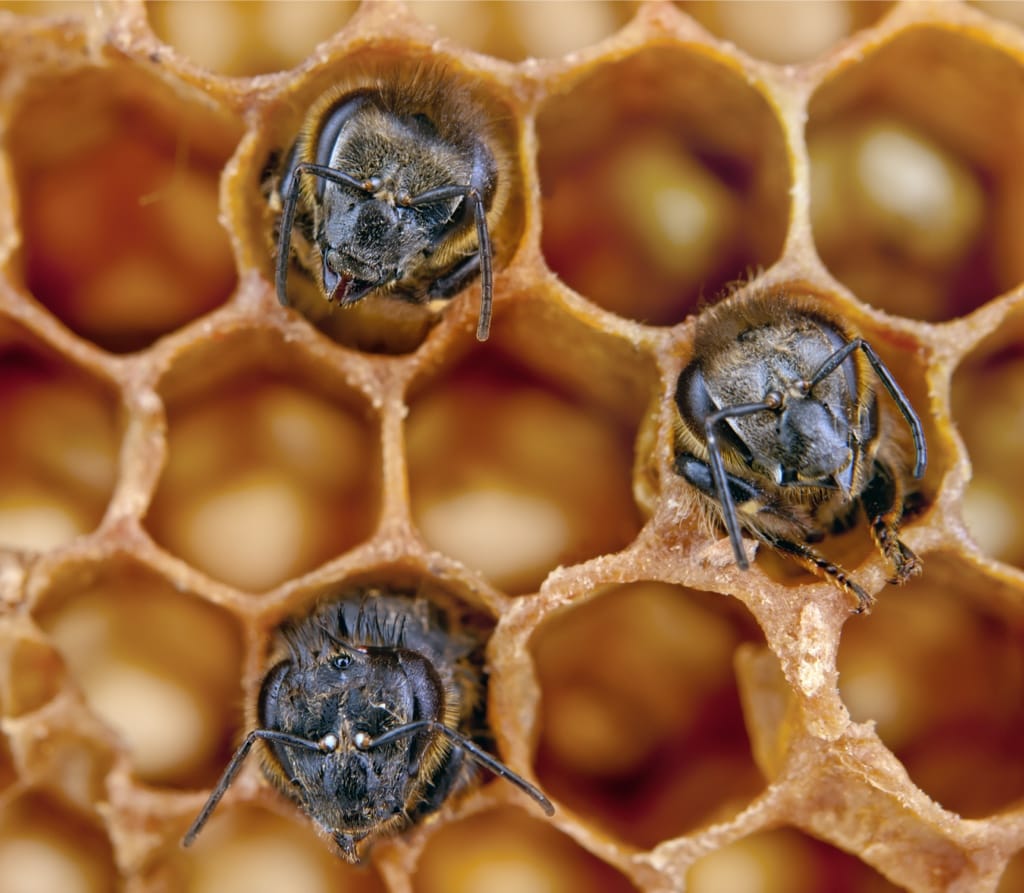
Every beekeeper learns the basic timeline: worker bees take 21 days from egg to emergence, drones need 24, and queens develop in just 16. But here's what those numbers don't tell you: they're averages based on optimal conditions. In reality, temperature constantly adjusts the rate at which your colony develops, and understanding this can transform how you time your inspections.
The Temperature-Development Relationship
Honeybee brood development is remarkably temperature-sensitive. The cluster maintains brood at around 93-95°F or 34-35°C, but even small variations affect development speed. Research shows that at 33°C or 91°F, worker development takes about 21 days, but drop the temperature to 32°C or 90°F and you're looking at 22-23 days. Increase it to 36°C or 97°F, and development accelerates to around 19 days.
This isn't just academic. It matters for your hive management.
Why This Matters for Spring Buildup
In early spring, when colonies are small and ambient temperatures fluctuate, the cluster struggles to maintain optimal brood temperature across all frames. The brood in the center develops faster than the brood on the outer frames, where temperatures might dip to 32°C or 90°F or lower on cool nights.
This means your spring buildup isn't as predictable as the textbooks suggest. If you're expecting emerged bees exactly 21 days after spotting eggs during a March inspection, you might be disappointed. Cool nights can add several days to development time, which affects your calculations for colony strength and timing for splits or adding supers.
Summer: When Heat Becomes the Challenge
Summer brings the opposite problem. When outside temperatures soar above 35°C or 95°F, colonies divert resources from brood rearing to cooling. Workers fan frantically and collect water for evaporative cooling. Some beekeepers notice that during heat waves, the cluster actually expands, reducing brood temperature slightly to avoid overheating.
But here's the subtle part: excessive heat stress doesn't just slow things down. It can affect brood quality. Studies have shown that sustained temperatures above 36°C or 97°F can lead to developmental abnormalities. Your bees know this, which is why you might find less capped brood during prolonged heat waves. They're not failing. They're adapting.
Adjusting Your Inspection Schedule
So how should this knowledge change your approach?
In spring, don't rigidly stick to the calendar. If you've had a week of unseasonably cool weather, give your bees a few extra days before that critical pre-swarm inspection. The queen cells you're worried about might not be as advanced as you think.
In early summer, be more vigilant. Warm, stable weather accelerates everything. That frame of eggs you saw last week? In optimal conditions, those bees could emerge a day or two earlier than expected. If you're trying to prevent swarming, this matters.
During heat waves, consider inspecting during the coolest part of the day. The colony is already stressed maintaining temperature. Opening the hive when it's 38°C or 100°F outside only makes their job harder. Also, don't be alarmed by reduced brood patterns. It's often temporary.
The Queen's Response to Temperature
Queens are sensitive to these patterns too. Egg-laying rates typically peak when ambient temperatures are moderate (20-25°C or 68-77°F) and the colony can easily maintain brood temperature. During extreme temperatures (both hot and cold), many beekeepers notice reduced egg laying. This isn't necessarily a sign of a failing queen. She's responding to the colony's signals that conditions aren't ideal for rearing large amounts of brood.
Reading Your Hive's Temperature Story
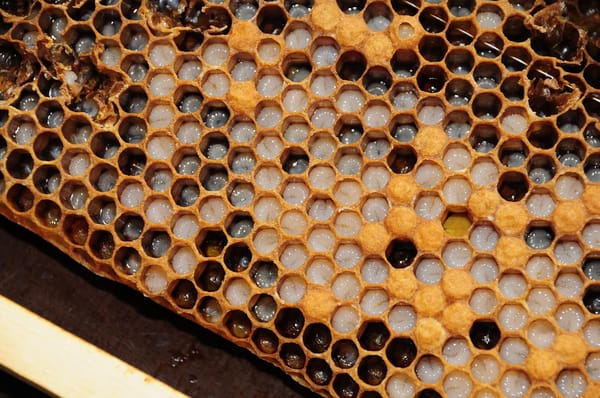
When you inspect, look for the clues that temperature has left behind. Uneven brood patterns with spotty cappings on outer frames but solid patterns in the center? That's a colony that struggled with temperature regulation, probably during cool nights.
Reduced brood during a heat wave, but plenty of nectar is being stored? Your bees made a choice: survival over growth. That's normal.
A sudden acceleration in colony buildup after a warm spell in April? The temperature finally hit that sweet spot for rapid development.
Practical Takeaways
Track weather patterns alongside your hive inspections. A simple note in your records about unusual temperatures helps you interpret what you're seeing weeks later. When you find queen cells, consider how temperature affected their timeline. Those cells might be more (or less) advanced than you'd expect from counting back on the calendar.
Understanding temperature's role doesn't make beekeeping more complicated. It makes you a better observer. You stop expecting your bees to follow the textbook and start reading the actual story the hive is telling you.
The bees have been adapting to temperature variations for millions of years. Our job isn't to control every variable, but to understand what's happening and time our interventions accordingly. When you know how temperature shapes development, you can inspect with purpose, not just habit.
And that's when beekeeping becomes less about following rules and more about working in rhythm with your colonies.