How to Read Brood Patterns to Diagnose Colony Health Problems
Learn to diagnose colony health problems by reading brood patterns. Spot early warning signs of disease, queen issues, and Varroa damage before they become crises. A comprehensive guide to prevention and intervention strategies.

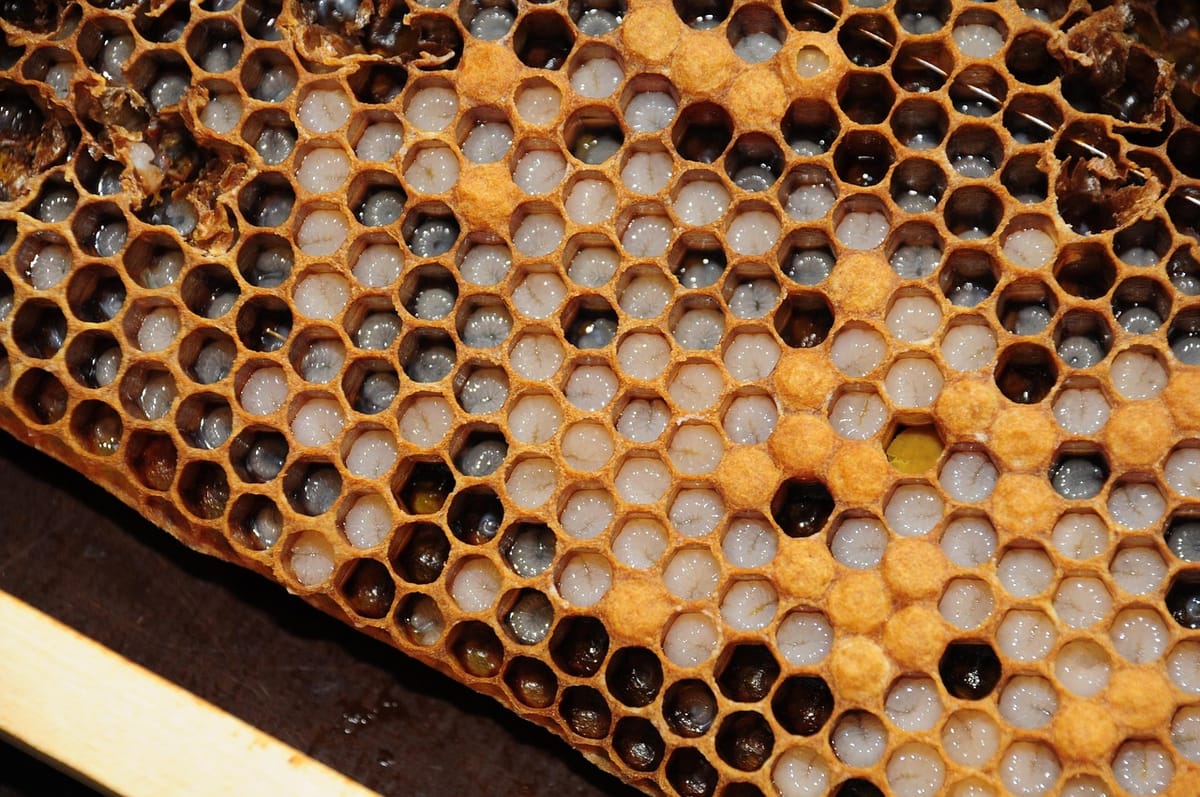
Every time you crack open a hive, your bees are telling you a story. The trick? Learning how to read it. Nothing speaks louder about colony health than the brood pattern. Think of it as your colony's report card, revealing everything from your queen's performance to lurking disease threats.
The real power in reading brood patterns is spotting trouble before it becomes a crisis. That small spotty patch you notice today might signal American Foulbrood, Varroa pressure, or a failing queen. If you catch it early, you've got options. Miss it, and you might be staring at a dead colony come winter.
What a Healthy Brood Pattern Looks Like
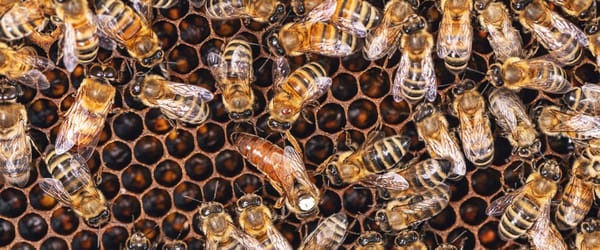
Before you can spot problems, you need to know what normal looks like. A healthy brood pattern is solid and compact with minimal empty space between cells. Look at the center of a brood frame, and you should see most cells filled with developing brood at the same stage. We're talking 90% coverage or better.
Pattern matters too. Bees don't randomly scatter eggs around. The brood pattern typically begins in the center of the comb and radiates outward, with similar developmental stages grouped together.
When you're looking at mixed-stage brood, there's a predictable ratio to watch for: roughly 3 parts eggs to 5 parts larvae to 13 parts sealed brood. Fresh eggs are tiny, white or translucent, and standing upright. Larvae should be snowy white and pearly, curled in their cells. Healthy cappings are uniform light brown or tan, slightly domed, intact, and dry. No sunken spots, no holes, no dark or greasy patches. Those are your red flags.
Warning Signs: Spotty Brood Patterns and Other Problems
The most common warning sign is a spotty or scattered brood pattern. Instead of that solid carpet of capped cells, you see a patchwork: empty cells, open cells, and capped cells jumbled together. Like someone played connect-the-dots with your brood.
The tricky part is that spotty brood isn't a single diagnosis.
The tricky part is that spotty brood isn't a single diagnosis. It could mean bacterial diseases such as American or European Foulbrood or Parasitic Mite Syndrome, viral diseases such as Sacbrood, fungal infections such as Chalkbrood, or queen trouble. You need to dig deeper and look at other symptoms.
Watch for cappings that look sunken or concave instead of slightly domed. Small holes or perforations in cappings are serious business. They signal dead or diseased brood underneath and are classic signs of American Foulbrood or Parasitic Mite Syndrome.
The "pepper pot" or "shot gun" pattern shows capped and uncapped cells scattered irregularly. This happens when some larvae survive while others die from disease and get cleaned out. You'll see this most often with European Foulbrood and Chalkbrood.
Common Bee Diseases That Affect Brood Patterns
American Foulbrood (AFB) is one of the most serious threats you'll face. Caused by Paenibacillus larvae, the brood pattern symptoms include spotty coverage, sunken and greasy-looking cappings, and discolored brood cells that progress from dull white to nearly black. Dead larvae turn into dark, brittle scales packed with billions of spores. The classic rope test involves inserting a matchstick into the affected brood. If it produces a ropy thread 3-5 cm long, you've got AFB.
Prevention is critical. Use hygienic stock, maintain strong colonies, and replace at least three frames of comb each year.
European Foulbrood, caused by Melissococcus plutonius, creates the pepper-pot pattern, with larvae changing from white to yellow to dark brown. Catch it early, and you can turn things around. Vigilant inspections and requeening with hygienic stock are your best moves.
Chalkbrood, a fungal disease caused by Ascosphaera apis, produces hard chalk-like mummies ranging from white to grey-black. Chemical treatments aren't recommended, but symptoms often clear up when you improve ventilation and provide supplemental feeding.
Sacbrood makes larvae look watery with thick skin forming a sac. Their heads lift into a distinctive "canoe" shape. Requeening with a younger queen breaks the transmission cycle.
Varroa Mite Damage leads to Parasitic Mite Syndrome: very spotty brood, sick brood that looks "melted" into cells, and bald patches. Deformed Wing Virus, spread by Varroa, causes bees to emerge with shriveled wings. Without treatment, infested colonies typically die within two to three years.
Queen Problems and Brood Pattern Issues
Sometimes the brood pattern points to queen trouble rather than disease. A drone laying queen lays clustered drone brood in the center of the frame. Drone brood in worker-sized cells creates characteristic bulged, bullet-shaped cappings that stand out.
Laying workers appear in chronically queenless colonies, creating spotty drone brood with multiple poorly placed eggs per cell, often stuck to the sides instead of the bottom.
Here's something that might surprise you: research published in Insects in 2019 found that poor brood patterns alone don't reliably indicate queen quality. When researchers swapped queens between colonies with good and poor patterns, the brood patterns improved significantly in their new homes. Brood patterns were more strongly linked to pesticide levels and brood diseases than to queen characteristics. Don't be too quick to blame your queen.
Environmental Factors Affecting Colony Health
Pesticide exposure cuts adult bee lifespan by four days and delays larval development. A New York State study found pesticides in 100% of samples tested. Neonicotinoids combined with nutritional stress create a double whammy that undermines colony health. Rotate in fresh comb every few years to minimize pesticide buildup.
Nutrition is crucial. Colonies need 29.5-34.0% dietary crude protein for optimal development, and no single pollen source meets all their needs. Diverse forage isn't optional.
Temperature stress takes its toll, too. Brood needs precise regulation at 91-97°F/33-36°C. Even a single night below 68°F/20°C can seriously impact development.
Early Intervention Strategies for Beekeepers
The whole point of reading brood patterns is catching problems early. Prevention beats intervention every time: use hygienic stock, maintain strong colonies, ensure good nutrition, and monitor Varroa constantly.
Requeening is often your most powerful tool. Only about 10% of colonies are fully hygienic, but this trait passes down through genetics. Research showed Varroa buildup in hygienic colonies was less than half that of non-hygienic ones.
For Varroa control, brood breaks can cut mite populations in half. Combine brood breaks with oxalic acid treatment, and you can increase mite mortality by five times. That's what the research shows.
Research published in PLOS One in 2024 found that monitoring brood cells and the brood-to-bee ratio provides reliable early warnings for colony problems. Regular inspections every two to three weeks during spring and summer are your best defense.
The Bottom Line on Brood Pattern Diagnosis
Reading brood patterns is both art and science. A spotty pattern isn't a diagnosis; it's a symptom pointing to multiple possible causes. You need the whole picture: larva appearance, capping condition, smell, pattern of empty cells, adult bee behavior, time of year, and colony history.
Prevention is always easier than treatment. This is what I always keep in mind:
- Use hygienic stock.
- Keep colonies strong.
- Provide diverse nutrition.
- Monitor Varroa relentlessly.
- Replace old comb regularly.
- Inspect often enough to catch problems while they're still small.
Your bees are always communicating through brood pattern. Learn their language, and you'll be a better beekeeper for it.