Preparing Your Colonies for Winter
Fall is the most critical inspection season in beekeeping. Unlike spring and summer, where you're managing growth, fall is about assessment and preparation. The decisions you make during these inspections directly determine which hives thrive come spring and which won't make it through winter.

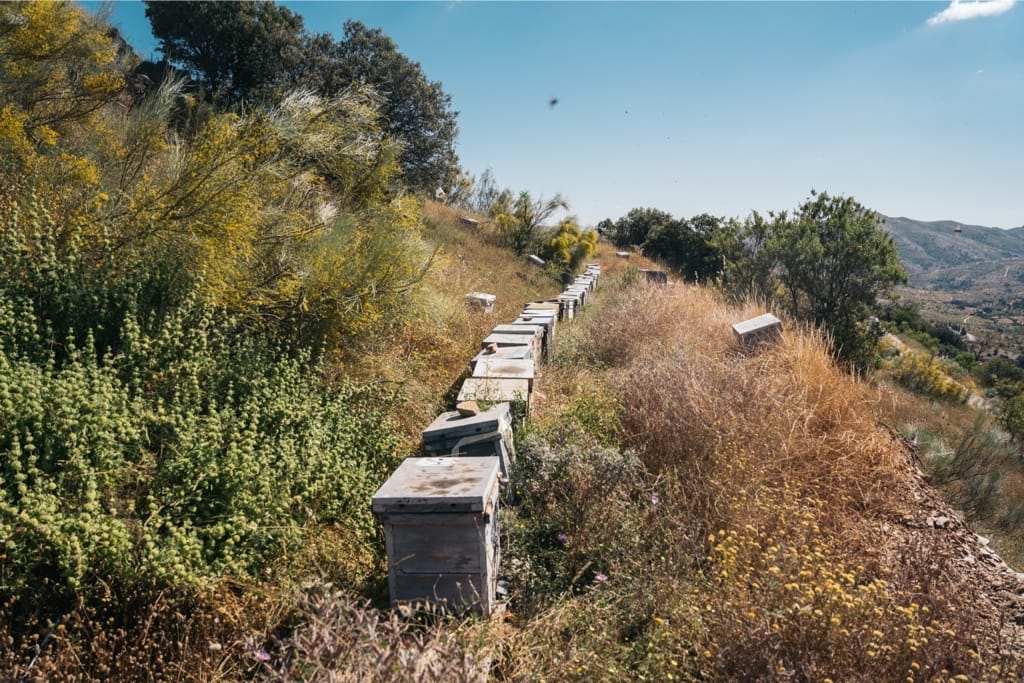
Fall is the most critical inspection season in beekeeping. Unlike spring and summer, where you're managing growth and preventing swarming, fall is about assessment and preparation. You're evaluating whether your colonies have what they need to survive months of confinement, and making final interventions while you still can. The decisions you make during these inspections directly determine which hives will thrive come spring and which won't make it through winter.
Colony Population and Brood Pattern
Fall inspections require a different lens than summer checks. You're no longer managing explosive growth or preventing swarming. Instead, you're assessing whether a colony has what it needs to survive months of confinement. Start by evaluating the cluster size. A strong colony heading into winter needs enough bees to maintain the winter cluster temperature, typically eight to ten frames of bees minimum in cold climates. These aren't just any bees, though. They need to be the right bees.
The brood pattern tells you much about your colony's future. By late fall, brood production should be diminishing naturally as the queen reduces her laying in response to shorter days and reduced nectar flow. What remains should be compact and healthy. You may not see the queen herself, but evidence of recent laying indicates she's viable, and your colony has continuity heading into winter.
Pay particular attention to the age distribution of your worker bees. You want young bees, those that emerged in late summer and fall, because they're the ones who'll survive winter. These late-season bees have something their summer sisters don't: higher fat body reserves, particularly vitellogenin, which is essential for winter survival and early spring brood rearing.
The winter cluster operates on principles of collective thermoregulation. Bees on the outer shell maintain temperatures around 45-48°F (7-9°C) while the core stays near 95°F (35°C). This remarkable feat requires enough bees to form an effective insulating mass, which is why population assessment matters so much in fall.
Food Stores: The Winter Lifeline
Your bees' survival through winter depends entirely on adequate food stores. No amount of insulation or wind protection matters if they starve in late Winter. Begin by assessing honey stores. How much capped honey is present? A general rule suggests colonies need 60-90 pounds (27-41 kg) of honey depending on your climate and winter length, though colder regions may require even more. You can estimate this by weight, lifting the hive from the back to gauge heft, or by counting frames of capped honey and calculating from there.
The location of stores matters as much as quantity. Honey should be positioned above and around where the winter cluster will form, not just packed into corner frames. Bees in a winter cluster cannot break formation to travel across the hive for food. They move slowly upward through frames, consuming stores as they go. Honey stored far from the cluster might as well not exist. If you see a strong population but stores are poorly positioned, consider rearranging frames now while you can still open the hive.
Pollen stores are often overlooked but critical for late winter and early spring brood rearing. Look for frames with pollen (often called bee bread when mixed with nectar and enzymes) near the brood area. Without adequate pollen reserves, your colony cannot produce the protein-rich food needed to raise healthy brood when the queen resumes laying in late winter. This is particularly important because in many climates, spring buildup begins long before significant pollen is available from flowers.
If stores are insufficient, you need to supplement feed now before temperatures drop too low for bees to take syrup. Fall feeding typically uses a 2:1 sugar-to-water ratio, which bees can store more quickly than lighter spring syrup. The window for feeding closes when nighttime temperatures consistently drop below 50°F (10°C). Wait too long and you've missed your chance.
Understanding why store location matters requires thinking about winter cluster metabolism. The cluster generates heat through muscle activity, consuming honey to fuel this constant exertion. A colony can consume 50-80 pounds (23-36 kg) of honey during winter, with consumption increasing dramatically during cold snaps. They move as a unit, slowly progressing upward through the hive. If they reach the top of their stores and cold weather prevents them from moving laterally to adjacent frames, they can starve, surrounded by honey just inches away.
Hive Health and Disease Screening
Fall health assessment is critical because problems that are manageable in summer become death sentences when you cannot access the hive for months. Varroa mite levels deserve special attention in the fall. These parasitic mites reproduce in brood cells, and by late summer, populations often peak. High mite loads devastate winter bees before they even have a chance to cluster. The bees emerging now must survive for four to six months, far longer than their summer counterparts, and mites weaken them through direct feeding and by vectoring viruses such as deformed wing virus.
Assess your mite levels through sampling methods like the sugar roll or alcohol wash. Treatment thresholds are lower in the fall than in the summer because you have less room for error. Many beekeepers treat in the fall even if summer levels were acceptable, knowing that mite populations can explode quickly. Treatment options vary by region and beekeeper preference, but timing matters. Most treatments work best when the brood is present but diminishing, giving the treatment access to mites while they're still in the phoretic stage on adult bees.
Nosema deserves consideration heading into confinement. This microsporidian gut parasite becomes problematic when bees cannot take cleansing flights regularly. Look for signs like dysentery staining on the front of the hive or on top bars during your inspection. While definitive diagnosis requires microscopy, visible symptoms warrant attention. Prevention focuses on reducing stress factors: adequate stores, dry hive conditions, and strong populations.
Check remaining brood carefully for brood diseases like American foulbrood, European foulbrood, or chalkbrood, though these are less common in fall as brood production declines. Any signs of disease should be addressed immediately. You will not have another chance to inspect until spring, and diseases do not pause for winter.
Small hive beetles and wax moths exploit weak colonies. A strong population can defend against these pests, but a struggling colony cannot. Assess your colony's strength as its primary defense mechanism. If you see significant pest pressure, it often indicates underlying weakness rather than just a pest problem. Address the root cause, which might mean combining weak colonies rather than letting them struggle separately through winter.
Hive Structure and Weatherproofing
The physical integrity of your hive matters enormously when bees are confined for months. Start with the entrance reducer. It should be in place to help bees defend against robbing and to reduce the volume of space they must heat and defend. A smaller entrance is easier to guard and reduces drafts. Most beekeepers reduce the opening to the smallest by late fall.
Ventilation seems counterintuitive when discussing winter preparation, but moisture management requires upper ventilation. Condensation kills more colonies than cold temperatures. The winter cluster generates significant moisture through respiration. If that moisture cannot escape, it condenses on cold surfaces above the cluster and drips back down onto the bees. Wet bees cannot maintain their temperature and will die. Upper ventilation, whether through a notched inner cover, moisture board, or quilt box, allows humid air to escape while the entrance reducer limits drafts from below.
Check hive integrity carefully. Look for gaps, cracks, and damaged frames. Small issues become major problems when you cannot access the hive for repairs. A gap that's merely annoying in summer becomes a deadly draft in January. Damaged frames with cross-comb or poorly attached foundation should be removed now. Repairs are much harder, often impossible, in winter.
Assess your bottom board. Clean out debris that has accumulated through the season. Dead bees, wax chips, and propolis fragments should be removed. Consider whether a screened bottom board or a solid bottom board better suits your climate. Screened bottoms improve ventilation and mite management but increase heat loss. Many beekeepers in cold climates either close the screen with a slider or replace screened bottoms with solid ones for winter.
Mouse guards are essential and non-negotiable. Mice seeking winter shelter will destroy comb, stress bees, and defecate throughout the hive. Once inside, they're nearly impossible to remove until spring. Install guards that prevent mouse entry while still allowing bee passage. Hardware cloth with appropriate spacing works well, or purpose-built entrance guards.
The physics of winter hive conditions explains why these structural elements matter so much. Your hive is essentially a chimney. Warm, humid air from the cluster rises and escapes through the top. Cooler, drier air enters from the bottom. This convection flow manages moisture when properly balanced. Block the top, and moisture accumulates. Leave the entrance too large and you create excessive drafts that force bees to consume extra honey to maintain temperature. The goal is controlled air exchange that removes moisture while minimizing heat loss.
Space Management and Hive Configuration
Bees cluster more effectively in appropriately-sized spaces. Remove empty supers and extra boxes that won't be used. A colony trying to maintain temperature in an oversized cavity wastes energy. In nature, bees choose cavity sizes carefully. Your management should reflect this principle. Most colonies overwinter best in one or two deep boxes, or equivalent volume in medium boxes, depending on their population size and store quantity.
Frame arrangement matters for winter success. Consolidate resources toward the center where the cluster will form. Frames of honey should flank the cluster area. If you have frames with little food or empty frames, remove them or position them at the outside edges where they won't interfere with the cluster's access to stores. Some beekeepers create a "chimney" effect by removing a frame or two from the center of the top box, allowing the cluster to move upward more easily while maintaining thermal efficiency.
Empty comb storage prevents wax moth damage. Remove frames that won't be needed and store them properly. Wax moths seek out comb in the fall for winter shelter and will destroy unprotected frames. Freeze frames for 48 hours to kill any moth eggs, then store them in sealed containers or treat them with appropriate moth preventatives. A well-maintained drawn comb is valuable, protecting it through winter saves you significant work in spring.
Thermoregulation efficiency explains why space matters. A cluster in an appropriately-sized cavity maintains temperature with less honey consumption than the same colony in an oversized space. The energy cost of maintaining the cluster's core temperature increases dramatically when heat radiates into large empty volumes. This is why feral colonies in tree cavities often select spaces that closely match their population size rather than choosing the largest available cavity.
Preventing Robbing and Managing Weak Colonies
Fall robbing can destroy colonies in a matter of hours. When nectar flow stops, bees become aggressive competitors for resources. Your inspections can trigger robbing frenzies, especially if nearby colonies are weak or if you're sloppy with spilled honey or sugar syrup. Watch for robbing behavior during inspections. Frantic activity at the entrance, bees fighting, or sudden increased interest from other hives means you need to close up immediately.
Time your inspections strategically. Inspect during mid-day warmth when foragers from other colonies are out working rather than hanging around looking for opportunities. Work quickly and deliberately. Have your tools ready and your inspection plan clear before you open the hive. Every minute the hive is open is an invitation to robbers.
Weak colony management requires honest assessment. Some colonies simply will not survive winter regardless of intervention. Combining a weak colony with a stronger one gives both the best chance. The combined population is more likely to maintain cluster temperature and defend stores. Allowing a marginal colony to struggle separately often results in losing both the weak colony and having it robbed out, which weakens the robbing colony's chances too. It's a difficult decision, but sometimes combining is the kindest choice.
Resource competition dynamics in fall differ fundamentally from spring and summer. When nectar flows abundantly, bees tolerate each other's presence at flowers. When flow stops and temperatures drop, any accessible food source becomes hotly contested territory. A hive opened for inspection releases the scent of honey, alerting every bee in flight range. If your colony is too weak to defend, robbing ensues. Once started, robbing is extremely difficult to stop. Prevention through strong colonies, quick inspections, and proper timing is far easier than trying to halt a robbing frenzy in progress.
Winter Configuration and Environmental Protection
Your final fall preparations involve setting up environmental protection that will remain in place for months. Insulation decisions depend on your climate. Wraps, quilts, or moisture boards serve different purposes and suit different situations. In extremely cold climates, wraps can reduce wind chill effects, but they must not trap moisture. Moisture quilts or boards above the cluster absorb condensation while providing some insulation value. Whatever system you choose should address both heat retention and moisture management.
Windbreaks matter more than most beekeepers realize. Wind chill dramatically increases a colony's honey consumption. A hive sheltered from prevailing winter winds uses significantly less food than an exposed hive with identical population and stores. Assess your hive locations for winter wind exposure. Natural features like buildings, hedgerows, or terrain can provide shelter. Where natural protection doesn't exist, temporary windbreaks made from pallets, burlap, or other materials can help.
Snow management requires planning. Consider your access paths to hives. Will you be able to reach them through deep snow? Some monitoring and emergency feeding might be necessary mid-winter. Plan now rather than discovering problems when snow is three feet deep. Consider entrance protection from drifting snow. A small upper entrance or notched inner cover provides an alternate exit if snow blocks the main entrance.
Hive tilt is a subtle but important detail. A slight forward tilt helps water drain from the entrance and prevents moisture accumulation inside. The key word is slight, just a few degrees. Too much tilt and frames can shift. Too little or backward tilt and water pools at the entrance or inside the hive. A small shim under the back edge of the hive accomplishes this easily.
Timing Your Fall Inspections
Fall inspection timing varies by region but follows a general pattern. Early fall in temperate climates is the period when days are noticeably shortening and nectar flow is ending. Early fall is when you conduct your most thorough assessment. This is when you're evaluating everything we've discussed: population, stores, health, and structure. You still have time to intervene with feeding, treatment, or combining colonies.
Mid-fall inspections happen if you made interventions earlier. If you fed, did mite treatments, or made other changes, a quick check ensures those interventions worked. Keep these inspections minimal and quick. You're not doing full inspections, just confirming that feed is being stored, treatments were effective, and populations look stable.
Late fall should involve minimal intrusion. Once temperatures consistently stay below 55°F (13°C), opening hives causes more harm than good. Breaking the propolis seal exposes the colony to drafts and forces them to repair it using valuable energy reserves. Late fall monitoring focuses on external observations: activity levels on warm days, heft checks to estimate stores, and listening for the gentle hum of a healthy cluster.
What Not to Do in Fall
Some mistakes in fall inspection are common enough to warrant specific mention. Don't open hives when temperatures drop below 50-55°F (10-13°C). You'll chill brood and break propolis seals that bees have worked hard to establish. Don't rush through inspections, even if you feel urgency. Robbing is a real risk in the fall, and hurried, sloppy work triggers it. Don't ignore small problems, thinking they'll resolve themselves. They won't. Problems compound during months when you cannot intervene.
Don't overwinter weak colonies out of sentiment. It's tempting to give every colony a chance, but forcing a weak colony to struggle through winter when combining would give all the bees a better chance is misguided kindness. Don't forget to record what you find. Memory is unreliable, and next fall you'll want to compare notes on timing, store levels, and population assessments.
Moving Forward
This systematic approach to fall inspections is exactly the kind of organized tracking that becomes easier with proper tools. Whether you use a notebook, a spreadsheet, or Hive Notes, the key is consistent documentation year over year. Your specific climate, your specific bees, and your specific management style create unique patterns. Only through careful records can you learn what works in your context.
Fall is not the most glamorous season in beekeeping. There's no honey harvest, no swarm captures, no watching bees work fresh flowers. But fall determines who succeeds. The careful beekeeper who methodically checks each point we've discussed, who makes hard decisions about weak colonies, who ensures adequate stores and manages pests, is the beekeeper who celebrates strong colonies in spring.