The Evolution of Varroa Mite Treatment: From Crisis to Cutting Edge
From the varroa crisis of the 1980s to today's cutting-edge RNA interference technology, the evolution of mite treatment reveals crucial lessons about resistance, adaptation, and innovation. Explore how treatments evolved from synthetic chemicals to organic acids, genetic selection, and beyond.

When Varroa destructor first jumped from Apis cerana to Apis mellifera in the mid-20th century, beekeepers faced an unprecedented crisis. This parasitic mite, barely visible to the naked eye, threatened to fundamentally change beekeeping as we knew it. Today, we have an arsenal of treatment options ranging from synthetic chemicals to biological controls. The story of how we got here, and where we're heading, reveals important lessons about pest management, resistance, and the remarkable adaptability of both mites and bees.
The Early Days: Scrambling for Solutions
The first confirmed case of varroa in European honey bees occurred in the 1960s in Asia, but it wasn't until the 1980s that the mite spread globally, reaching the United States in 1987. Beekeepers watched helplessly as colonies that had thrived for years suddenly collapsed under the weight of mite infestations. The tiny parasites fed on bee hemolymph (essentially bee blood), weakened immune systems, and vectored devastating viruses like Deformed Wing Virus.
Initial responses were desperate and often ineffective. Some beekeepers tried everything from mineral oil to grease patties, hoping to mechanically disrupt the mites. Others turned to garden pesticides or home remedies with mixed (and sometimes tragic) results. The beekeeping community needed scientifically validated treatments, and they needed them fast.
The first generation of treatments emerged in the late 1980s and early 1990s. Fluvalinate (marketed as Apistan) and coumaphos (CheckMite+) became the standard weapons in the fight against varroa. These synthetic pyrethroids and organophosphates were effective, relatively easy to use, and initially seemed like the solution beekeepers had been waiting for. Strips impregnated with these chemicals were simply hung in the hive, and the mites died as bees walked past them.
For a few years, it worked beautifully. Mite populations dropped, colonies rebounded, and beekeepers breathed a sigh of relief. But nature, as it tends to do, had other plans.
The Resistance Problem
By the mid-1990s, reports began trickling in from around the world: Apistan wasn't working like it used to. Beekeepers were following the label instructions perfectly, yet their mite counts remained dangerously high. The mites had developed resistance to fluvalinate through the same evolutionary pressures that create antibiotic-resistant bacteria or pesticide-resistant agricultural pests.
The mechanism is straightforward but concerning. In any mite population, genetic variation means some individuals can better tolerate the chemical. When you expose the entire population to the treatment, you kill the susceptible mites but allow the resistant ones to survive and reproduce. After several generations of this selection pressure, you end up with a population where resistance is the norm rather than the exception.
Coumaphos resistance followed a similar pattern, and beekeepers found themselves back where they started: facing an enemy that seemed one step ahead. This experience taught the beekeeping community a crucial lesson about integrated pest management. Relying on a single chemical solution, no matter how effective initially, was not sustainable.
The Organic Acids Revolution
The search for alternatives led researchers to explore compounds that mites would struggle to develop resistance against. Organic acids, specifically formic acid, oxalic acid, and to a lesser extent lactic acid, emerged as promising candidates. These naturally occurring substances work differently from synthetic pesticides, making resistance development much slower and perhaps even unlikely.
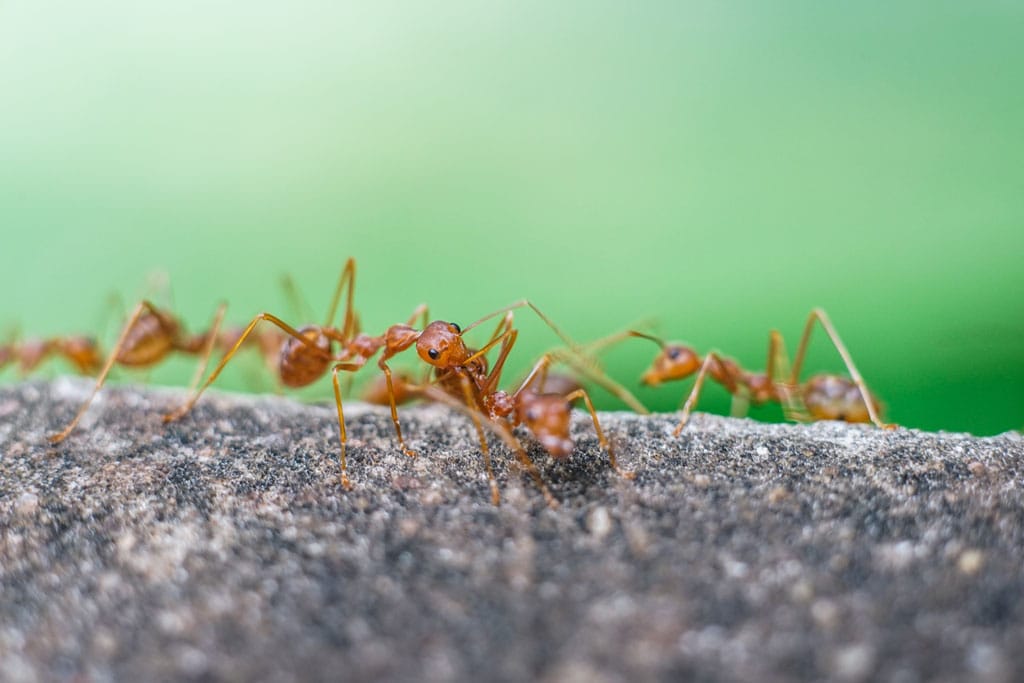
Formic acid, found naturally in ant venom and some plants, vaporizes in the hive and penetrates the wax cappings of brood cells where mites reproduce. Its effectiveness varies with temperature and humidity, which makes it both powerful and somewhat unpredictable. Beekeepers in cooler climates often get excellent results, while those in hot, humid regions may see more variable outcomes.

Oxalic acid, which exists in many plants, including rhubarb, takes a different approach. It's typically applied as a trickle between frames or as a vapor, devastating phoretic mites (those riding on adult bees) but unable to reach mites sealed in brood cells. This makes it particularly effective during broodless periods, which is why many beekeepers apply it in late fall or early winter when bee populations are low, and brood is minimal.
The beauty of these organic acids is their mode of action. Rather than targeting specific neural pathways that mites could theoretically evolve around, they work through more fundamental chemical interactions that would require dramatic physiological changes to resist. After more than two decades of use, resistance to organic acids remains largely theoretical rather than practical.
The Rise of Integrated Pest Management
As our understanding of varroa biology deepened, so did our approach to managing them. Integrated Pest Management (IPM) became the new paradigm, recognizing that no single treatment would be a silver bullet. Instead, beekeepers needed a toolkit of complementary strategies.
Cultural controls became part of the conversation. Drone brood removal exploits the mites' preference for drone cells. Varroa reproduction is more successful in the longer development time of drone brood. By removing drone frames before the bees emerge, you remove a disproportionate number of mites. It's labor-intensive, and you're eliminating potential genetics from your operation, but it reduces mite pressure without chemicals.
Screened bottom boards allow dead mites and debris to fall through rather than accumulating in the hive. While they don't directly kill mites, they can slightly reduce reinfestation rates and improve hive hygiene. Some beekeepers swear by them while others find the difference negligible. The data suggests they're helpful but not transformative.
Brood breaks (either natural or induced) create periods without sealed brood, making mites vulnerable to treatments that only work on phoretic mites. Some beekeepers cage queens for a few weeks in late summer, others create splits, and some rely on natural brood breaks in winter. Each approach has tradeoffs in terms of colony disruption and honey production.
Biology Fights Back: VSH and Hygienic Behavior
While beekeepers were developing better treatment strategies, researchers were asking a more fundamental question: could we breed bees that resist varroa on their own?
Two genetic traits emerged as particularly promising. Varroa Sensitive Hygiene (VSH) describes bees that can detect and remove pupae infested with reproducing mites. These bees somehow recognize the chemical signatures of mite reproduction and uncap those cells, removing the pupae before the mites can complete their reproductive cycle. It's remarkably sophisticated behavior that requires bees to detect subtle changes in brood pheromones.
It's remarkably sophisticated behavior that requires bees to detect subtle changes in brood pheromones.
The closely related trait of hygienic behavior is broader: bees that quickly remove dead or diseased brood of any kind. These colonies tend to be more resistant to various brood diseases, including American foulbrood, and they also disrupt varroa reproduction by removing infested pupae.
Breeding for these traits has shown real promise. VSH colonies can maintain significantly lower mite levels than non-VSH colonies under the same conditions. There are complications, though. VSH behavior reduces mite reproduction rates but doesn't eliminate mites entirely. Even strong VSH colonies typically need some form of mite management. Additionally, these traits can be lost if queens mate with drones that don't carry the genetic markers, which happens frequently in areas where VSH genetics aren't widespread.
The Russian honey bee program took a different approach, selecting bees from populations that had coexisted with varroa for decades in far-eastern Russia. These bees exhibit a suite of resistance behaviors, including grooming mites off each other, targeting drone brood where mites preferentially reproduce, and possibly some level of tolerance to the viruses that Varroa vectors. Results have been mixed. Russian bees show better mite resistance but sometimes struggle with honey production or have temperament issues that make them challenging for some beekeeping operations.
Essential Oils and Alternative Treatments
The search for "natural" treatments has led to extensive research on essential oils and botanical compounds. Thymol (from thyme), in particular, has shown consistent effectiveness against varroa. Commercial products like Apiguard and ApiLife Var use thymol in controlled-release formulations that maintain therapeutic levels in the hive atmosphere over several weeks.
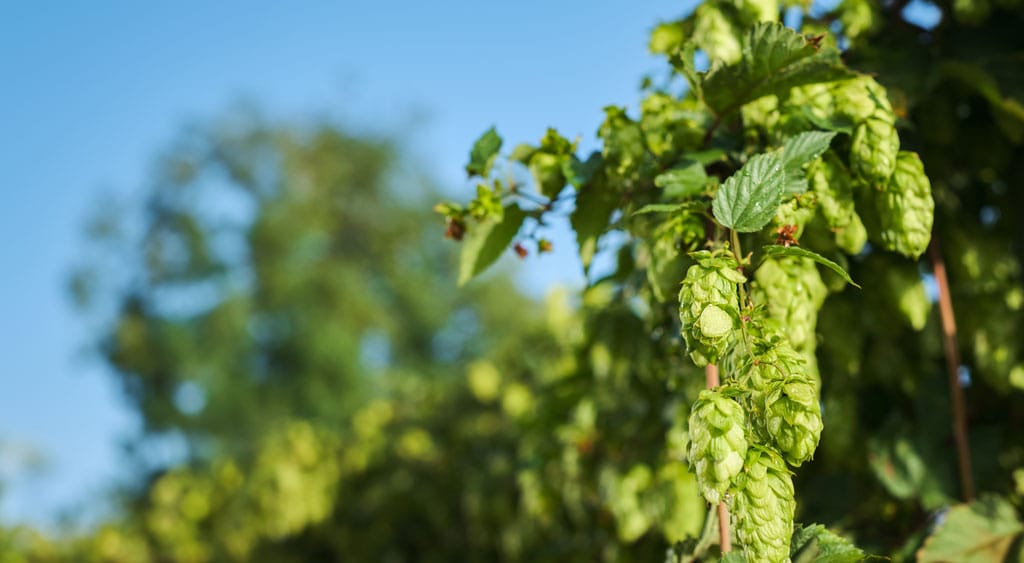
Hop beta acids, marketed as HopGuard, represent another botanical approach. These compounds derived from hops have shown mite-killing properties, though effectiveness can vary and typically requires multiple applications.
The appeal of these treatments is understandable. They're derived from plants, approved for organic beekeeping, and generally safe for bees when used correctly. However, they're not without challenges. Essential oil efficacy is highly temperature-dependent, with most requiring warm weather to vaporize effectively. They can also affect honey flavor if applied too close to honey flows, and some formulations cause bees to temporarily abandon brood or reduce brood rearing.
Cutting-Edge Approaches
The newest frontiers in varroa control are fascinating from both a biological and technological standpoint. Several emerging approaches could reshape how we think about mite management.
RNA interference (RNAi) technology represents perhaps the most sophisticated approach yet. Researchers have identified specific genes essential to varroa survival and reproduction. By introducing double-stranded RNA that targets these genes, they can effectively "silence" them, killing mites or preventing reproduction. The elegance is that these RNA sequences can be highly specific to varroa, theoretically leaving bees and other organisms unaffected. Some experimental formulations have shown remarkable effectiveness in laboratory settings, though commercialization faces regulatory and practical hurdles.
Lithium chloride has emerged as a surprising candidate. Initially investigated because of its effects on varroa reproduction, lithium at very specific concentrations can devastate mite populations while being tolerated by bees. The treatment window is narrow. Too little is ineffective and too much harms bees. When applied correctly, it's shown impressive results. Several research groups are working on optimized delivery methods that could make lithium a practical option.
Fungal biocontrol using entomopathogenic fungi like Metarhizium anisopliae has been studied for years. These fungi naturally infect and kill mites, and genetic engineering has created strains that are even more effective. The challenge has been delivery, that is, getting enough fungal spores in contact with mites without disrupting the hive environment or affecting bees. Recent formulations show progress, though we're still years away from commercial availability.
Perhaps most intriguing are the efforts to disrupt mite reproduction through pheromone manipulation. Varroa mites use chemical signals to coordinate their reproductive timing with bee brood development. If we can identify and synthesize these pheromones, we might be able to confuse mites or lure them into traps. It's early-stage research, but the concept is promising.
The Practical Reality: What Works Now
For beekeepers managing hives today, the treatment landscape requires both knowledge and pragmatism. Most successful mite management programs combine multiple approaches in a thoughtful sequence.
A typical integrated approach might look like this: Monitor mite levels regularly using alcohol washes or sugar rolls to know when treatment is necessary, rather than treating on a calendar schedule. Use a late-summer treatment with formic acid or amitraz (sold as Apivar) when mite populations peak, before winter bees are raised. Follow up with oxalic acid in late fall or early winter, when brood is minimal, to knock down the remaining phoretic mites. Throughout the season, practice cultural controls, such as drone brood removal when feasible, and maintain strong, well-fed colonies that can better tolerate some mite pressure.
The specific treatments you choose should take into account your climate, colony strength, time of year, and where you are in the honey production cycle. Formic acid works best in moderate temperatures and shouldn't be used during honey flows. Oxalic acid is most effective when brood is absent. Synthetic treatments like Apivar provide long-term protection but require removal before honey supers go on.
Record-keeping becomes crucial in any IPM program. Knowing what treatments you applied, when, at what mite levels, and what the results were allows you to refine your approach year after year. Which brings up an important point: treating varroa is no longer a simple annual task but an ongoing management challenge that requires attention, monitoring, and adaptation.
Looking Ahead
The varroa story is far from over. As I write this, researchers are exploring gene drives that could theoretically spread mite resistance through bee populations, investigating whether certain gut microbes might protect bees from mite-vectored viruses, and developing increasingly sophisticated monitoring tools that use computer vision to count mites automatically.
What's clear is that we're never going back to the pre-varroa days when beekeepers could largely ignore pest management. But we're also no longer in crisis mode, desperately trying anything that might work. We have practical tools, we understand the biology, and we're developing even better options.
The most important lesson from this evolutionary journey is the value of staying informed and adapting. The beekeepers who struggle most with varroa are often those still using the methods that worked twenty years ago. The ones who succeed are those who monitor their mites, stay current with research, and aren't afraid to adjust their approach when needed.
Varroa management is now simply part of responsible beekeeping. It's no different from monitoring stores, assessing queens, or preparing colonies for winter. It's something we do because we care about keeping our bees healthy and productive. The specific methods will continue to evolve, but the fundamental principle remains: know your enemy, use multiple tools, and never assume that what worked last year will automatically work this year.
The mites taught us that lesson the hard way. We'd be wise not to forget it.