The Honeybees of Modern Beekeeping
When most people picture a honeybee, they're imagining Apis mellifera, the Western honeybee. This species dominates beekeeping worldwide, but remarkable diversity exists within it. Understanding these variations helps beekeepers choose colonies suited to their environment and management style.
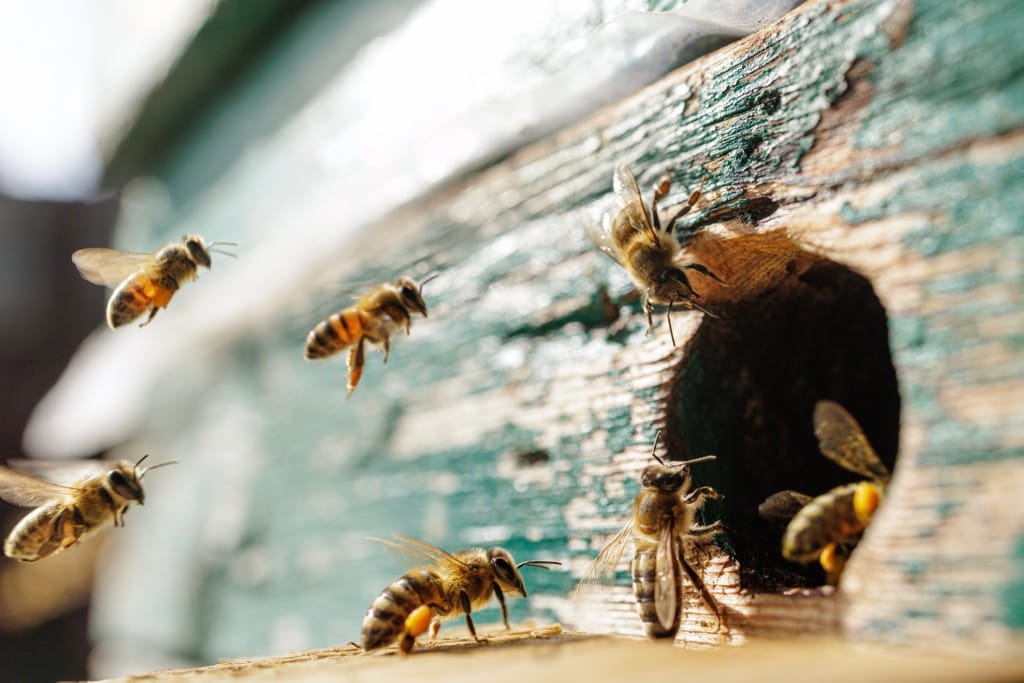
When most people picture a honeybee, they're likely imagining Apis mellifera, the Western honeybee. This single species dominates beekeeping worldwide, but the story becomes far more interesting when you look closer. Within Apis mellifera exists remarkable diversity, shaped by millennia of adaptation to different climates and landscapes. Understanding these variations helps beekeepers choose colonies suited to their environment and way of working.
The Western Honeybee and Its Subspecies
Apis mellifera originated in Europe, Africa, and the Middle East, where isolated populations evolved distinct characteristics. Beekeepers today work with several of these subspecies, each bringing unique traits to the hive.
The Italian Honeybee
The Italian honeybee (Apis mellifera ligustica) stands as perhaps the most popular choice among beekeepers. Originating from the Italian peninsula, these bees are prized for their gentle temperament and prolific brood production. They build strong colonies quickly in spring, making them excellent honey producers. Their lighter color, ranging from golden to tan, makes queens easier to spot during inspections. However, their enthusiasm for brood rearing means they consume stores rapidly and may require more winter feed than other subspecies.
The Carniolan Honeybee
The Carniolan honeybee (Apis mellifera carnica) hails from the alpine regions of Slovenia and Austria. These dark, grayish bees adapted to harsh mountain winters by developing frugal habits. They adjust colony size rapidly to match nectar availability, building up quickly in spring but curtailing brood production when resources diminish. This makes them efficient with stores and well-suited to areas with variable nectar flows. Carniolans are known for their calm disposition on the comb, though they can be prone to swarming if not managed carefully.
The Caucasian Honeybee
The Caucasian honeybee (Apis mellifera caucasica) comes from the high valleys of the Caucasus Mountains. These bees are exceptionally gentle and produce abundant propolis, which they use liberally throughout the hive. Their long tongues allow them to work flowers that other bees struggle with, particularly red clover. They handle cool, damp weather well but can be slow to build up in spring. The heavy propolis production, while beneficial for hive health, can make inspections sticky work.
The German or European Honeybee
German or European dark bees (Apis mellifera mellifera) represent the original honeybee of northern Europe. These dark brown to black bees are winter-hardy and thrifty with resources, traits that helped them survive in regions with long, cold winters and short foraging seasons. They can be more defensive than Italian or Carniolan bees, and they've become less common in modern beekeeping, though interest in this subspecies has grown among those seeking locally adapted bees.
The Russian Honeybee
Russian honeybees, selected from Apis mellifera populations in far eastern Russia, earned attention for their resistance to varroa mites and tracheal mites. These bees regulate brood production in response to forage availability and mite levels, interrupting the mites' reproductive cycle. While they offer promising pest resistance, they can be more defensive and may require different management approaches than beekeepers accustomed to gentler Italian stock.
The Buckfast Honeybee
Buckfast bees represent something different: a human-created hybrid developed by Brother Adam at Buckfast Abbey in Devon, England. He crossed various subspecies and strains to create bees combining the best traits of each, focusing on gentleness, productivity, and disease resistance. Buckfast bees have gained a dedicated following, though as hybrids, their traits may not breed true in subsequent generations.
Beyond the Western Honeybee
While Apis mellifera dominates Western beekeeping, other Apis species play crucial roles in their native ranges. The Eastern honeybee (Apis cerana) is kept throughout Asia, from Afghanistan to Japan. Smaller than their Western cousins, these bees are well-adapted to tropical and subtropical climates and show natural resistance to varroa mites, which originally evolved with this species. They're more defensive and prone to absconding than Western honeybees, and they produce less honey, but they excel at foraging in their native environments.
The giant honeybee (Apis dorsata) and dwarf honeybee (Apis florea) are open-nesting species rarely kept in managed hives. They build single, exposed combs in trees or on cliff faces and are harvested for honey rather than kept in the traditional sense. These species remain important for wild honey collection in South and Southeast Asia.
Choosing Your Bees
The "best" honeybee doesn't exist in any universal sense. Italian bees thrive in regions with long, steady nectar flows but may struggle in areas with harsh winters or irregular forage. Carniolans excel where resources fluctuate but might not reach their full potential in climates with endless spring blooms. Local conditions, management style, and even your own temperament as a beekeeper matter as much as the bees' genetic background.
Many beekeepers today seek locally adapted bees, whether that means established subspecies or mutts that have survived and thrived in their region for generations. These locally adapted colonies often outperform imported stock, having learned the rhythms of local flowers and weather. They represent living knowledge, accumulated through seasons of natural selection.
The diversity within Apis mellifera offers beekeepers choices, and those choices shape both the experience of keeping bees and the success of the hive. Understanding these differences helps you work with your bees rather than against them, respecting the wisdom encoded in their genetics while building on the traditions that brought them to your apiary in the first place.