The Nurse Bee Bottleneck: Why Colony Collapse Disorder Starts in the Nursery
Colony collapse often starts weeks before you notice it, in the nursery, where nurse bees care for brood. When nutritional stress, Varroa mites, or disease disrupt these critical caregivers, a destructive cascade begins that can doom the entire colony.


When you find a collapsed colony, the scene is always haunting. Abandoned comb. Plenty of honey. The queen is still present. Just a handful of young bees tending what's left of the brood. It looks sudden, almost inexplicable. What if the collapse actually started weeks earlier, in the nursery, with a problem you couldn't see?
The answer often lies in what researchers call the nurse bee bottleneck. It's a breakdown in the colony's ability to raise healthy young bees that sets off a cascade of failures throughout the hive.
Understanding Nurse Bees: The Colony's Essential Caregivers
Before we can understand what goes wrong, we need to appreciate what nurse bees do right. Worker bees don't start their adult lives as foragers. After emerging from their cells, they spend their first one to two weeks as house bees, during which much of that time is spent on nursing duties.
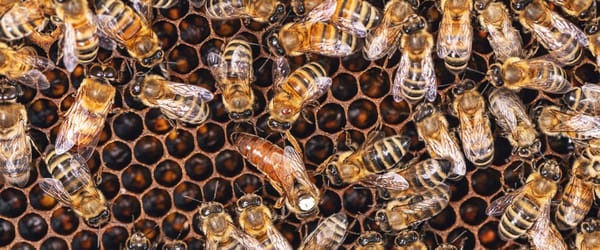
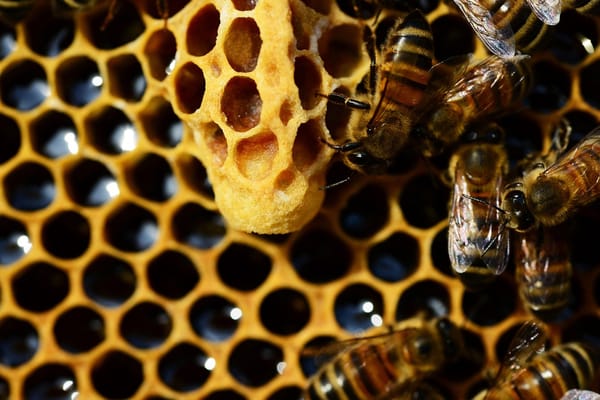
Nurse bees, typically between 4 and 12 days old, handle all brood care: feeding and caring for developing larvae. They don't simply pass along pollen and nectar, though. They produce a protein-rich secretion from specialized glands in their heads called the hypopharyngeal glands. These glands produce royal jelly and worker jelly. Both are highly nutritious foods that allow larvae to grow at remarkable rates.
The hypopharyngeal glands reach their peak when bees are between 6 and 10 days old. At this stage, the glands resemble tiny clusters of grapes, each "grape" containing secretory cells that produce larval food. A single larva may be visited and fed by several different nurse bees throughout its development, receiving hundreds of individual feeding visits.
Beyond feeding, nurse bees regulate brood nest temperature. Developing larvae and pupae need temperatures between 91-97°F/33-36°C for proper development. That's a narrow range! About 15% of nurse-age bees function as "heater bees," pressing their thoraxes against capped cells and vibrating their flight muscles to generate heat. They do this to maintain the precise conditions needed for healthy development.
When the Nursery Fails: Common Causes of Bee Colony Health Problems
The trouble starts when something disrupts this carefully balanced system. The nurse-to-brood ratio matters. When there aren't enough nurses to go around, or when the nurses can't do their jobs properly, brood care suffers and colony health declines. Several factors can trigger this breakdown.
Nutritional Stress and Bee Nutrition
Nurse bees need high-quality protein to develop their hypopharyngeal glands. Pollen is the sole source of the ten essential amino acids that bees require for brood rearing and reproduction. When pollen is scarce or of poor quality, nurse glands fail to develop fully. Undersized glands mean less royal jelly, which means poorly nourished larvae that develop into weaker adults.
Research shows that well-nourished nurse bees have large, productive hypopharyngeal glands, while pollen-deprived nurses (especially those deprived during the first week of adult life) have significantly smaller glands. The effects ripple forward. Weak nurses raise weak brood, and weak brood emerge as weak adults less capable of nursing the next generation.
Varroa Mites: A Major Threat to Nurse Bees
The Varroa mite is the most devastating parasite affecting honey bees worldwide, and its impact on nurse bees is especially damaging. Research has shown that Varroa mites preferentially target nurse bees as hosts during their dispersal phase. There's a logic to this. Nurse bees spend the most time in the brood nest, giving hitchhiking mites the best opportunity to invade cells containing larvae about to be capped.
The damage goes beyond simply spreading the mites. Varroa feeds on bee fat body tissue, an organ needed for immune function, pesticide detoxification, and overwinter survival. Parasitized nurse bees show reduced hypopharyngeal gland size with fewer secretory vacuoles. It directly compromises their ability to produce larval food. The queen and developing brood both suffer from this diminished care.
Disease and Pesticides
Pathogens like Nosema ceranae and various viruses can decimate nurse populations or impair their function. Studies have found that bees in collapsing colonies typically carry higher pathogen loads and are co-infected with multiple pathogens. This suggests either increased exposure or reduced resistance. Pesticide exposure makes these problems worse, causing cell death in hypopharyngeal glands and further reducing nurses' ability to care for brood.
The Precocious Foraging Trap: How Colony Collapse Accelerates
When a colony loses too many foragers (to disease, pesticides, or harsh conditions), something remarkable and destructive happens. The remaining bees sense the shortage, and young workers begin foraging much earlier than they normally would. This phenomenon, called precocious foraging, might seem like an adaptive response. In reality, it often accelerates colony collapse.
A 2015 study revealed the devastating math behind precocious foraging. Young bees that start foraging before 14 days of age perform significantly worse than their older counterparts. They complete fewer foraging trips, spend more time on each trip, and have a much higher risk of dying during their first flights. They simply aren't physically ready for the demands of foraging.
When these young bees are pulled from the nursery to forage, they leave behind an even smaller nurse force. Fewer nurses means less brood care, fewer emerging adults, and an even more desperate need to recruit young bees into foraging. The colony enters a destructive feedback loop:
- Stress kills foragers
- Young bees are recruited to forage prematurely
- The depleted nurse force can't properly care for brood
- Fewer healthy adults emerge
- Even younger bees must forage to compensate
- Colony decline accelerates
Mathematical models suggest that when forager mortality exceeds roughly twice the normal rate, colonies enter terminal decline. What makes this dangerous is that the collapse can seem sudden. A colony might appear stable for weeks while these stresses accumulate invisibly, then experience rapid, catastrophic failure when the nurse bee bottleneck becomes severe enough.
Recognizing the Warning Signs of Colony Collapse
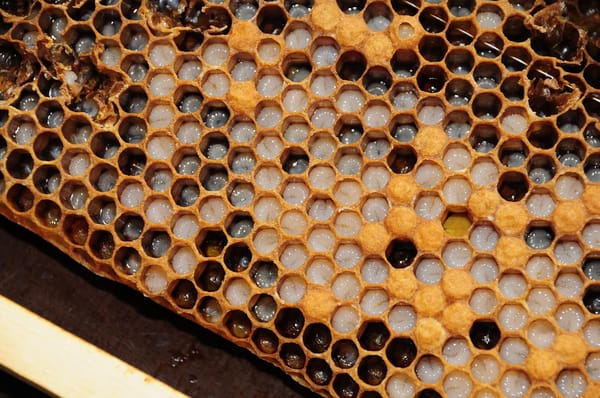
Understanding the nurse bee bottleneck helps explain patterns beekeepers have long observed. Spotty brood (where capped cells are scattered randomly rather than in solid patterns) may indicate that nurses can't adequately care for all the larvae. Some larvae die, leaving gaps.
Poor-looking larvae, small or discolored pupae, and an unusual number of young bees at the hive entrance (instead of inside nursing) can all suggest problems in the nursery. A sudden increase in the number of young, fuzzy bees bringing in pollen is especially concerning. It suggests precocious foraging has begun.
Colony temperature monitoring research has shown that thermal patterns within the brood nest can predict colony failure with remarkable accuracy, detecting collapse up to a month before it occurs. While most backyard beekeepers don't have access to such monitoring, the principle matters: problems in the brood nest show up before the colony visibly declines.
Protecting the Nursery: Maintaining Bee Colony Health
Armed with this understanding, you can take steps to support healthy nurse populations and avoid triggering the bottleneck.
Nutrition comes first. Make sure your colonies have access to diverse, high-quality pollen sources, especially in spring when nurse populations are building. Colonies exposed to ten or more pollen types show significantly better overwintering survival through improved brood rearing. When natural pollen is scarce, supplemental feeding can help maintain nurse gland development.
Varroa management is essential. Every mite feeding on a nurse bee diminishes that bee's capacity to care for brood. Effective monitoring and treatment protocols prevent the parasite from compromising your nursing force.
Be cautious about colony manipulations that disrupt the nurse-to-brood balance.
Be cautious about colony manipulations that disrupt the nurse-to-brood balance. Splitting colonies during stress periods, or removing too many frames of bees, can trigger the precocious foraging cascade. When making splits, make sure each resulting colony has enough bees of the right ages to maintain brood care.
Finally, watch for signs of stress. A colony displaying precocious foraging (young bees at the entrance, fuzzy bees on foraging flights) is a colony in trouble. Quick intervention may still turn things around, but the window for action narrows as the feedback loop progresses.
The Nursery as the Foundation of Colony Health
The nurse bee bottleneck offers a lens for understanding colony collapse, shifting the focus from dramatic events to quiet dysfunction. Colonies don't typically fail because of a single catastrophe. They fail because small impairments accumulate in the nursery until the colony can no longer sustain itself.
The health of your nurse bees is the health of your colony.
This understanding carries a practical message for beekeepers. The health of your nurse bees is the health of your colony. When the nursery thrives, the colony can weather considerable stress. When the nursery fails, collapse becomes almost inevitable, no matter how much honey is stored or how actively the remaining bees work.
The next time you inspect your hives, pay attention to the nursery. Those young bees caring for larvae aren't just performing routine tasks. They're maintaining the foundation on which everything else depends.