Why Drone Presence (or Absence) Tells You What Your Colony Is Planning
Drones aren't lazy. They're one of your colony's most honest signals. Learn to read when drones appear (or vanish) and you'll know what your bees are planning weeks in advance, from swarming to resource stress.
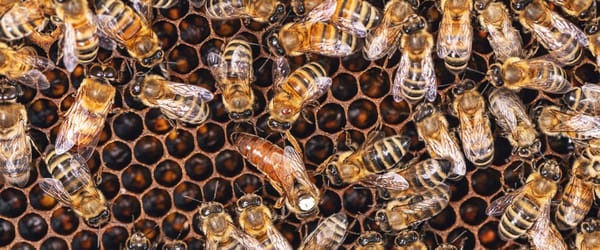
If you've been keeping bees for even a single season, you've noticed them: those chunky, big-eyed bees that seem to bumble around the hive without much purpose. Drones. They don't forage, they don't defend the hive, and they certainly don't make honey.
So why should you care about them?
Because drones are one of the most honest signals your colony will give you about what it's planning next.
What Drones Tell You About Colony Intentions
Honeybees don't waste resources. Every bee, every cell of comb, every drop of honey represents a calculated investment in the colony's future. When your colony raises drones, or stops raising them, it's making a deliberate choice.
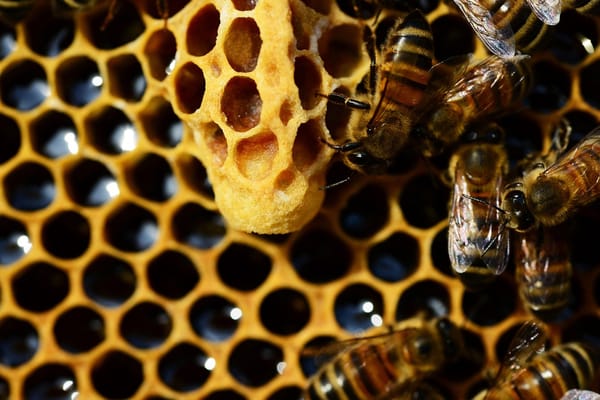
When you see drone brood in spring, your colony is saying: "We're strong enough to reproduce." Drones are the colony's genetic ambassadors. They exist for one purpose: to mate with virgin queens from other hives. A colony only invests in drone production when it has surplus resources and optimism about the season ahead.
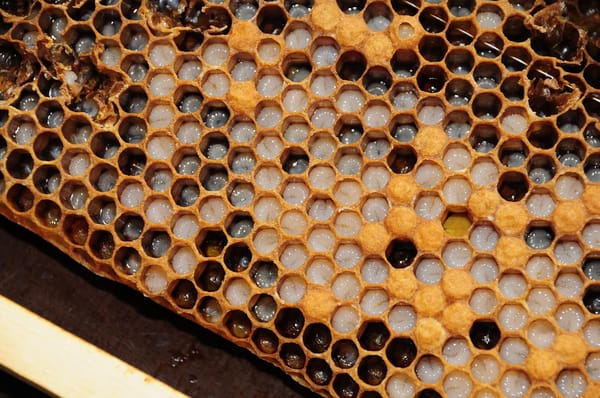
When drone brood appears in multiple frames, especially in late spring, your colony may be preparing to swarm. Drones take 24 days to develop and need to be mature and flight-ready before a swarm departs. The presence of abundant drone brood is often your first warning sign, appearing weeks before you'll see swarm cells.
When drone brood suddenly disappears in summer, pay attention. If your colony stops raising drones or even evicts existing drones early, it's signaling resource stress. Maybe the nectar flow ended abruptly. Maybe the colony is smaller than you realized. Either way, they're cutting expenses, and drones are the first to go.
Reading the Drone Calendar
Understanding when drones appear, and disappear, gives you a seasonal roadmap for hive management.
Early spring drone production (March-April in temperate zones) indicates your colony survived winter well and has enough population and stores to think about growth. This is normal and healthy.
Mid-spring drone explosion (April-May), combined with a strong population, means you need to start monitoring for swarm preparation. Check weekly for queen cells. Consider whether you want to split the hive proactively.
Mid-summer drone eviction (July-August) is natural in many regions as colonies prepare for winter. But if drones disappear in May or June, something is wrong. Check your queen, assess your mite levels, and inspect your food stores.
Late summer/fall, with drones still present, can indicate a queenless colony that's trying to raise a new queen. If you see drones lingering into September or October when other hives have evicted theirs, inspect carefully for a laying queen.
The Absence of Drones
Sometimes the most important signal is what you don't see.
A colony that never raises drones in spring, or raises very few, is telling you it's struggling. The colony may be:
- Recovering from a poor winter
- Dealing with a failing queen
- Coping with high Varroa loads
- Simply too small to afford the luxury of males
This is valuable information. A colony in this state needs support, not honey supers. It needs feeding, pest management, or possibly requeening, not expectations of a big harvest.
Practical Takeaways for Your Next Inspection
On your next hive visit, take a moment to look for drones and drone brood. Here's what to do with that information:
If you see healthy drone brood in spring, your colony is in good shape. Start thinking about swarm management if the population is strong.
If you see no drone brood by late April/May, dig deeper and check your queen's laying pattern. Assess colony size and consider whether this colony needs help rather than harvest expectations.
If drones suddenly vanish in early summer, investigate immediately. Look for signs of queenlessness, disease, or resource shortage.
If drones are still present in fall, confirm you have a laying queen. A queenless colony will keep drones around much longer than normal.
The Honesty of Instinct
There's something profound about the way bees communicate through action rather than intent. They can't lie to you. They can't pretend everything is fine when it isn't.
Drones are expensive. They consume resources during development, and they eat honey without contributing to colony tasks. A colony only maintains drones when it believes the future is bright enough to warrant the investment.
When you learn to read this signal, you're not just observing bees, you're listening to them. And that's when beekeeping shifts from following a calendar to following your colonies.
When you learn to read this signal, you're not just observing bees, you're listening to them.
The next time you spot those big-eyed boys lounging on a frame, don't just brush them aside. Ask yourself: what is this colony planning? The drones already know.